

Did you know over 60% of commercial building rooftop unit energy waste comes from malfunctioning economizer or damper controls? Imagine this: your building feels off. Some rooms are chilly, others overheated; the energy bill creeps up month after month. Service calls come and go, but the comfort complaints never really disappear. These hidden issues often boil down to just one thing: economizer & outside-air damper problems.
This article shows you how to spot the early red flags, explains the basics of these rooftop unit components, and gives you actionable steps that save money and headaches—all in plain English. Ready to end the “mystery bill” pattern once and for all? Let’s dive in.
Why Economizer & Outside-Air Damper Problems Are the Hidden Root of Skyrocketing Energy Bills
“Over 60% of rooftop unit energy waste can be traced to malfunctioning economizer or damper controls in commercial buildings.”
-
How unnoticed economizer & outside-air damper problems silently drive up costs: When these issues go unaddressed, your system works harder, burns more energy, and racks up unnecessary expenses.

-
Comfort complaints as the first red flag: If rooms are uncomfortably warm or cold, or staff are complaining about air quality or drafts, don’t just adjust the thermostat. Check the economizer and damper systems.
-
Short-cycling and year-round service calls: Malfunctioning dampers can force the rooftop unit (RTU) to short-cycle, running inefficiently and triggering costly service visits.
Opening Scenario: A Mystery Bill, Hot and Cold Complaints, and the Hidden Culprit
Imagine starting your week with a high utility bill and a flood of complaints about temperature swings or stagnant air. The air conditioning runs all day, but no one feels truly comfortable. Technicians rotate in and out, changing filters and tweaking controls, yet the problems persist. The real culprit? Hidden economizer & outside-air damper problems. These elusive issues keep your HVAC system in a costly loop and often get missed in routine checks. Knowing what to look for—and where—is the first step to stopping the energy drain.
While diagnosing economizer and damper issues is crucial, it’s equally important to understand how these problems can vary by location and climate. For a deeper look at how rooftop unit performance and common HVAC challenges differ across service areas, you can explore the HVAC service locations and regional insights provided by our team.
What You’ll Learn About Economizer & Outside-Air Damper Problems
-
The basics of economizer control and air damper operation
-
Why these rooftop unit features routinely malfunction
-
How to identify issues quickly—with or without advanced tools
-
-
Effective repairs, preventive steps, and energy-saving upgrades
Understanding Economizer & Outside-Air Damper Problems in Plain English
The Role of the Economizer System in Your HVAC System
-
How the economizer uses outdoor air for “free cooling”: When the outside temperature is just right, the economizer pulls in fresh air to cool the building for free—no compressors required. This reduces your reliance on expensive mechanical cooling.
-
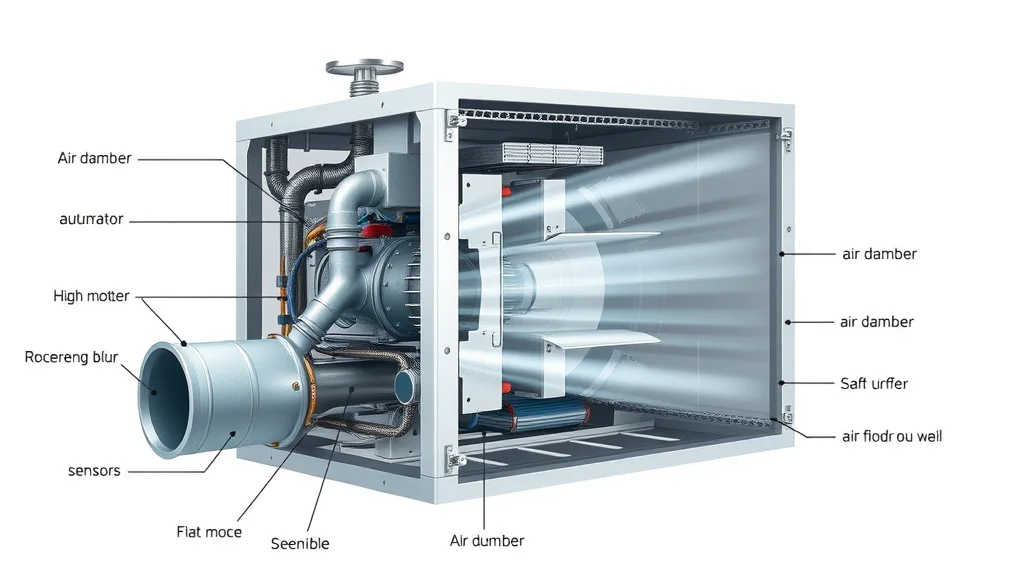
Components: air damper, actuator, sensors, and controller all work together. The air damper controls how much outdoor air enters; the actuator moves the damper, while sensors monitor outdoor/return/mixed air temps. The controller processes these signals and tells the system what to do for optimal energy savings.
-
Economizer control logic in rooftop units: If the outdoor air temp or moisture (enthalpy) falls within certain limits, the economizer opens the damper for cooling. Otherwise, it stays closed, reverting to recirculated air and mechanical cooling.
With the right set-up, economizer systems let you capitalize on “shoulder season” weather and cool your building naturally. But if any part—damper, actuator, or sensor—fails, the whole energy-saving system grinds to a halt.
Why Outdoor Air Matters in Economizer Systems
-
Benefits and challenges in mixed climates: In places where outdoor temperatures swing with the seasons, economizer systems can deliver big energy savings—but only if damper position, sensors, and controls work as designed. Too much or too little outdoor air leads to discomfort, excessive energy use, or even poor indoor air quality. That’s why regular checks are vital for building health and energy saving.
When the outdoor temperature is mild, your HVAC system can skip the compressor and bring in free, cool air. But calibration drift, controller misprogramming, or mechanical faults can swing the damper wide open—or shut it completely—at the wrong times. The result? You lose both comfort and energy savings, and the rooftop unit’s efficiency drops.
Why Economizer & Outside-Air Damper Problems Are a Top HVAC System Headache
Constant Modulation: More Moving Parts, More Failure Points
-
Impact of weather swings and deferred maintenance: Economizer dampers constantly adjust in response to changing outdoor air temperature and humidity. This non-stop movement creates more chances for wear, calibration drift, and accidental jams compared to other HVAC components. Skipping preventative maintenance only exaggerates the problem, turning minor issues into major headaches as seasons change.
-
-
Energy penalties from drifting calibration: Over time, actuator wear and control logic drift can result in the air damper being open or closed at the wrong times. This wastes energy by running mechanical cooling unnecessarily or letting in too much unconditioned air.
-
Indoor air quality risks from malfunctioning dampers: If your damper fails stuck closed, you get stuffy, low-quality air—and run afoul of ventilation codes. If it fails stuck open or leaks, you over-ventilate, inflating energy use and creating comfort complaints.
With so many moving parts—dampers, actuators, sensors, and controllers—economizer & outside-air damper problems are among the most common and costly issues in rooftop HVAC systems. Neglect leads to the double whammy of higher bills and frequent comfort complaints.
Common Economizer & Outside-Air Damper Problems and Their Symptoms
| Failure Mode | Symptoms | Likely Cause | Risk/Impact |
|---|---|---|---|
| Damper stuck open | Indoor cold draught, high utility bills | Physical jam, linkage failure | Overcooling, energy waste |
| Damper stuck closed | Stuffy air, overheating | Failed actuator | Reduced ventilation, IAQ risk |
| Leaky damper blades/seals | Mixed temps, inefficient operation | Worn seals/blades | Simultaneous heating & cooling |
| Actuator/linkage failure | Damper unresponsive | Slipped linkage, failed actuator | Loss of control |
| Sensor failure | Faulty readings, improper economizer operation | Sensor drift or blockage | Incorrect changeover, comfort loss |
| Control logic/setpoint issues | Economizer on at wrong times | Programming error | Energy loss |
| Dirty/blocked intakes | Reduced airflow, system alarms | Debris or snow blockages | Inadequate ventilation |
Damper Stuck Open: Diagnosing Outdoor Air Issues in Economizer Systems
-
Symptoms: cold drafts inside, discomfort, spiking utility bills, especially when outdoor temperatures drop below room temperature.
-
Causes: failed actuator not responding, jammed air damper or linkage, misaligned components, physical obstructions inside the rooftop unit.
-
Risks: Added equipment stress from overheating compressors, increased chance of freezing coils in colder climates, and poor indoor air quality from too much unconditioned air entering the system.
If the air damper is stuck open, you’ll often find people in sweaters in August and a jump in energy bills. The continuous inflow of outdoor air makes your rooftop unit work overtime, and both energy consumption and comfort suffer. Immediate troubleshooting and repair can save thousands over the course of a season.
Damper Stuck Closed: Lack of Outdoor Air in HVAC System
-
Symptoms: stuffy rooms, overheating, lingering odors, and complaints of stale or “dead” air—especially when the building is full.
-
Causes: actuator or linkage faults, failed controls, physical blockage in the damper movement, or an error in the economizer controller.
-
Risks: unhealthy indoor air, regulatory noncompliance due to insufficient ventilation, and increased risk of airborne illness in crowded indoor spaces.
When the economizer damper fails closed, your HVAC system recirculates stale air for hours. This causes comfort complaints, health risks, and runs afoul of modern ventilation requirements in commercial buildings. A stuck closed damper should be diagnosed and corrected right away to protect indoor air quality and code compliance.
Leaky or Bent Damper Blades: Energy and Comfort Losses
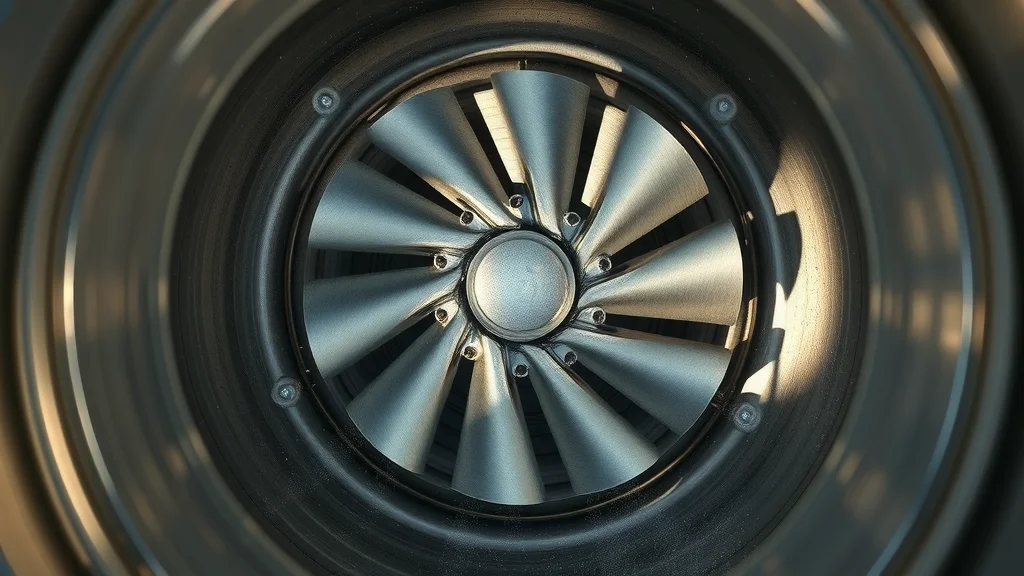
Over time, blades in your air damper can warp, bend, or develop gaps at the seals. This leakage lets outdoor air sneak in even when the damper is “closed,” confusing the economizer control system and causing both heating and cooling to run simultaneously. You’ll notice:
-
Unpredictable temperatures and extra wear on both compressors and heaters
-
Mixed air with improper temperatures, spurring extra rooftop unit runtime
-
Energy penalties and mounting comfort complaints
Actuator or Linkage Failure: Control Issues in Air Dampers
The actuator is the muscle behind damper movement, while linkages are the “joints.” If either slips or fails, the damper stops responding to the controller’s commands:
-
Damper sticks partially open or closed, never quite matches the setpoint
-
Loss of “feedback”—controller reads position as okay, but real-world airflow is wrong
-
Equipment runs inefficiently, energy usage rises
Technicians may need to recalibrate or replace these parts to restore true economizer operation and regain control over energy consumption.
Sensor and Control Logic Problems Affecting Economizer Control
Sensors—especially temperature, humidity, or enthalpy sensors—are critical to economizer operation. If they drift out of calibration, get blocked by dirt, or fail outright, the controller might command mechanical cooling when “free cooling” is available, or let in excess outdoor air at the wrong time. Common symptoms include:
-
Mismatched air temperatures (unexpectedly cold or hot air at vents)
-
Rooftop unit never switches modes, runs excessively, or cycles constantly
Routine sensor testing and control logic review—like checking mixed-air and return air temperature setpoints—are vital for proper energy-saving operation.
Blocked Intake Screens: Outdoor Air Supply Issues
Snow, leaves, or construction debris can physically block intake screens, reducing airflow and causing system alarms or insufficient fresh air delivery. Blocked intakes force compressors to run longer and can even harm the rooftop unit by causing pressure imbalances. Regularly checking for and removing obstructions keeps air flowing efficiently and protects system performance.
Owner’s Fast Checklist: Symptoms of Economizer & Outside-Air Damper Problems
-
Uneven building temperatures: drafts, hot/cold spots, especially during seasons with big outdoor air temperature swings
-
Rooftop unit short-cycling or continuous operation
-
Simultaneous heating and cooling
-
Unexpected increases in utility bills
-

-
Complaints about indoor air quality or comfort
DIY Triage for Economizer & Outside-Air Damper Problems: What to Check and What to Leave to the Pros
Safe Visual Checks Facilities Staff Can Perform
-
Observe damper position during mild weather (should modulate smoothly; completely shut or open positions may indicate trouble)
-
Check for debris or blockage in outdoor air intake vents
-
Inspect basic filter restrictions for obvious obstructions
-
Review BAS trend data (if available): compare mixed-air with outdoor/return air temperature—sudden mismatches are a warning sign of faulty economizer & outside-air damper problems
These simple steps require no tools and can alert you early to economizer system trouble—helping prevent costly breakdowns before they snowball.
Tasks for Qualified Technicians Only
-
Actuator testing and adjustment (requires special tools and controls knowledge)
-
Sensor calibration and replacement
-
Control sequence review and setpoint programming for efficient economizer operation
If your inspections find any irregularities, call a qualified HVAC technician to dig deeper and fix what’s beyond basic visual checks. Prompt intervention saves on major repairs and avoids extra charges from avoidable economizer & outside-air damper problems.
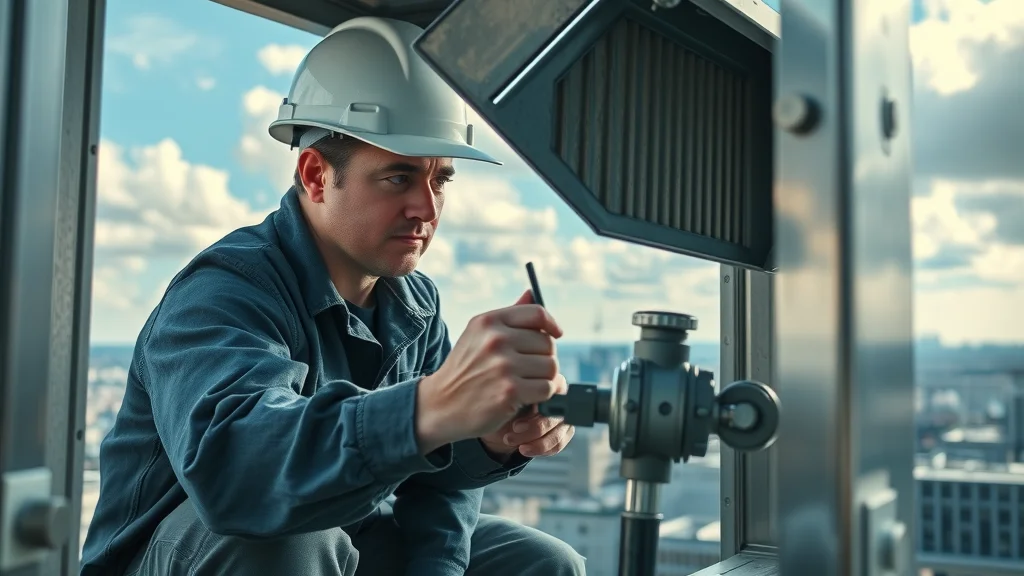
Watch as an experienced technician inspects a rooftop unit, pointing out real-world symptoms of damper and economizer failure, showing the exact points where air flow, actuator movement, and BAS readings reveal hidden problems. Seeing these issues firsthand makes it easier to spot them in your own system.
Pro-Level Diagnostics for Economizer & Outside-Air Damper Problems
-
Command and observe full air damper range from BAS or controls, checking actual versus commanded positions
-
Measure actuator torque and linkage tightness for smooth, reliable movement
-

-
Calibrate and validate all relevant sensors (outdoor, return, mixed air temps); cross-check with physical thermometers for accuracy
-
Verify economizer changeover strategy (dry-bulb only or full enthalpy) matches climate and code requirements
-
Inspect damper seals and quantify leakage, looking for air bypass in both open and closed conditions
-
Review minimum ventilation setpoints for compliance and efficiency
Technicians equipped with proper diagnostic tools can root out the most elusive economizer & outside-air damper problems and optimize your rooftop unit for both savings and comfort.
Effective Fixes & Upgrades for Economizer & Outside-Air Damper Problems
Replace or Repair Faulty Economizer System Components
-
Upgrade or fix actuators, linkage, sensors, and air dampers as needed
-
Schedule annual or—better yet—seasonal recalibration and function tests
Restoring like-new operation to rooftop economizer systems pays off quickly in both lower energy consumption and happier building occupants.
Upgrade Economizer Control for Energy Savings
-
Leverage BAS alarms and trending features to catch failures the moment they occur
-
Invest in premium economizer control with built-in fault detection—these systems alert you when damper position, actuator response, or sensor readings drift out of spec
-
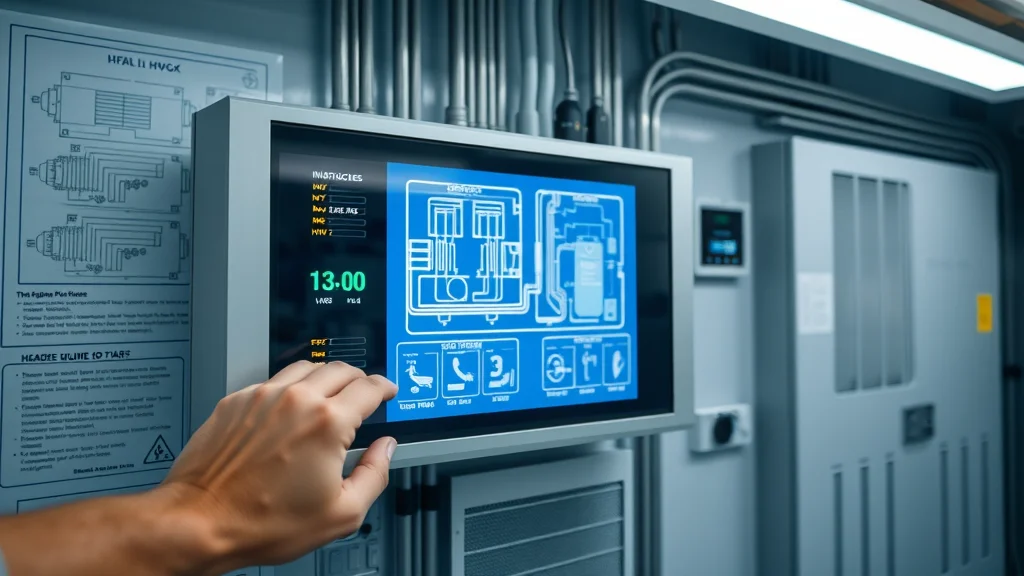
Smarter, more reliable economizer controls often pay for themselves within months through reduced energy waste and fewer emergency service calls.
See a pro technician walk through system-coded damper checks, actuator linkage tests, sensor validation, and BAS trend review. Each step helps isolate the root cause of economizer & outside-air damper problems for a precise fix and quick return to energy-saving operation.
Preventing Recurrence: Maintenance Plan for Economizer & Outside-Air Damper Problems
-
Quarterly: inspect intake screens for debris, verify damper moves freely
-
Seasonal (spring/fall): check economizer logic and recalibrate sensors
-
Before winter: protect intake openings and confirm mixed-air low-limit settings to prevent freezing
-
Document and secure all setpoints; lock out unauthorized manual overrides
-

A simple, documented maintenance schedule is the best insurance against repeat problems and high energy bills—catching issues before they balloon into expensive repairs.
The Hidden Costs of Ignoring Economizer & Outside-Air Damper Problems
| Issue | Extra Cost | Long-Term Impact |
|---|---|---|
| Over-ventilating | 10–30% higher energy use | Higher utility bills |
| Year-round mechanical cooling | Continuous compressor wear | Shortened equipment life |
| Comfort complaints | Loss of tenants or productivity | Lower building value |
| Unhealthy IAQ | Potential code violations | Legal/regulatory risk |
Shortcuts on maintenance or ignoring economizer & outside-air damper problems will cost you in more ways than one. Don’t let your rooftop unit become a silent profit drain.
People Also Ask: Economizer & Outside-Air Damper Problems FAQ
What are the signs of a failing economizer?
-
Erratic indoor temperatures, increased energy bills, constant RTU operation, musty smells, and lack of fresh air can all indicate failing economizers.
What are the signs of a faulty HVAC damper?
-
Drafts, unexplained hot/cold areas, odd noises from the rooftop unit, and visible damage or debris around damper actuators suggest damper failure.
What position will an outside air damper go to when an economizer is disabled?
-
Most systems default the damper to a minimum position, only allowing the smallest amount of outdoor air needed for ventilation.
What does an economizer damper do?
-
The economizer damper automatically controls how much outdoor air enters the system, leveraging outside conditions for cooling to reduce energy use.
FAQs: Troubleshooting Economizer & Outside-Air Damper Problems
-
How often should economizer components be inspected? At least quarterly, with more frequent checks during seasonal transitions or after severe weather.
-
What’s the most cost-effective economizer control upgrade? Adding a smart fault-detection kit or upgrading to a modern BAS interface pays for itself in energy savings and fewer emergency calls.
-
How can you verify if the economizer changeover setpoint is correct? Compare controller program values with actual readings; trending mixed-air temperature versus outdoor/return air temp helps confirm logic.
-
Are there new fault detection solutions for economizer systems? Yes, many retrofit controls offer built-in alarms, remote monitoring, and automatic alerts for damper position and sensor drift.
Key Takeaways for Economizer & Outside-Air Damper Problems
-
Routine inspection and calibration prevent most economizer & outside-air damper problems
-
Owner-facing symptoms often appear before major failures; never ignore uneven temps or recurring comfort complaints
-
Investing in smart controls and regular maintenance pays back in comfort, lower energy bills, and longer rooftop unit life
Don’t Let Economizer & Outside-Air Damper Problems Drain Your Profits—Call for Service Today (440) 454-0409
Take charge of your energy costs before they spiral out of control! If you’ve noticed mysterious bills or indoor comfort issues, call for expert help at(440) 454-0409.
If you’re ready to take your building’s energy efficiency and comfort to the next level, don’t stop here. Exploring how HVAC performance varies across different regions can reveal even more opportunities for savings and reliability. Discover how local climate, building type, and service expertise impact your rooftop unit’s operation by reviewing our comprehensive HVAC service area guide. It’s a smart next step for facility managers and owners who want to stay ahead of costly surprises and ensure their systems are optimized for every season. Dive deeper and unlock advanced strategies tailored to your location and needs.
